Kodagu’s Golden Harvest: Discovering the Natural Richness of Local Honey
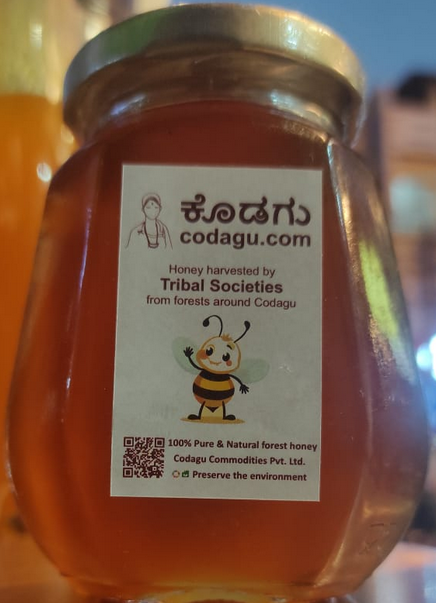
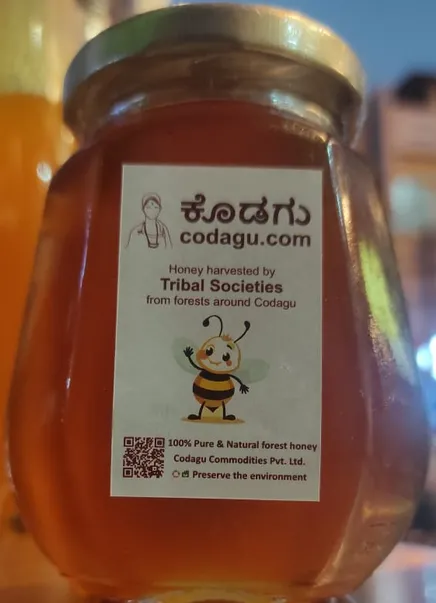
Kodagu, widely known for its lush green forests, coffee plantations, and rich biodiversity, is also home to a natural treasure that reflects the region’s ecological richness: honey. Surrounded by forests, flowering plants, and diverse vegetation, the district provides a favourable environment for honeybees. Honey collected from different floral sources carries distinctive natural flavours and aromas, making it an interesting part of Kodagu’s agricultural and forest-based heritage.
The region’s diverse plant life plays an important role in supporting honey production. Seasonal flowers, forest vegetation, and plantation crops provide nectar and pollen for honeybees throughout different periods of the year. The availability of these natural resources influences the colour, texture, aroma, and taste of honey. Depending on the floral source, honey can have different flavour profiles, ranging from mild and delicate to rich and strong, offering a unique experience for consumers.
Honey collection and beekeeping also create livelihood opportunities for local communities. Small-scale beekeepers and honey collectors contribute to the local economy by producing and marketing natural honey. With growing interest in locally sourced and minimally processed food products, Kodagu honey has opportunities to reach more consumers through responsible packaging, quality control, and direct marketing. Supporting local honey producers can also encourage sustainable rural entrepreneurship and help preserve traditional knowledge associated with honey collection.
Beyond its value as a food product, honeybees play an essential role in maintaining ecological balance through pollination. They support the reproduction of many flowering plants and contribute to the productivity of agricultural crops. Protecting bee populations requires conserving natural habitats, reducing unnecessary pesticide exposure, and maintaining a diverse range of flowering plants. Responsible beekeeping and awareness among farmers can further support healthy bee populations and strengthen the relationship between agriculture and biodiversity.
Honey from Kodagu represents more than a naturally produced sweetener; it reflects the close connection between the region’s forests, farming communities, and biodiversity. By encouraging sustainable honey production, supporting local beekeepers, and protecting the habitats that sustain honeybees, Kodagu can preserve this valuable natural resource for future generations. Its golden honey continues to highlight the richness of the region and the importance of living in harmony with nature.