The King of Spices: Discovering the Flavor and Value of Pepper
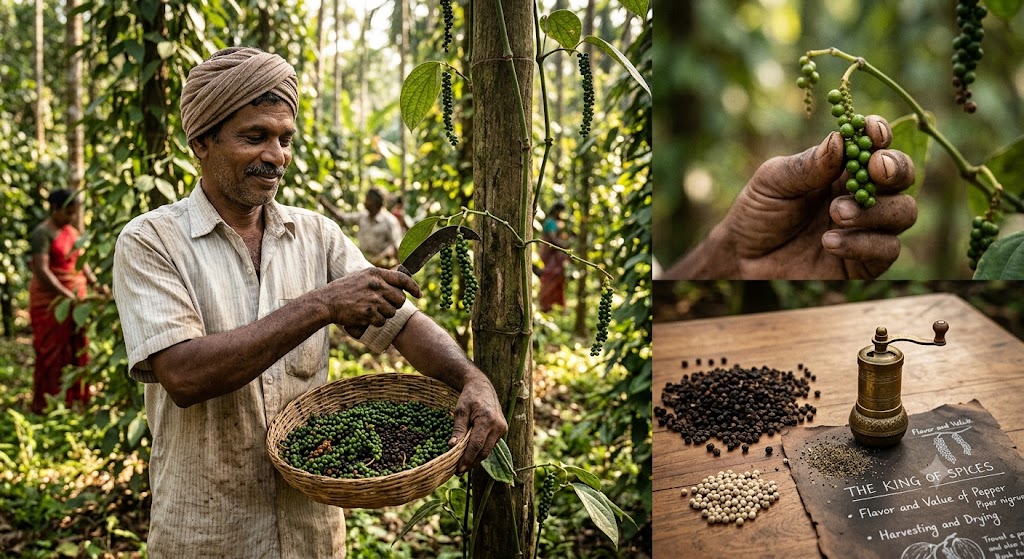
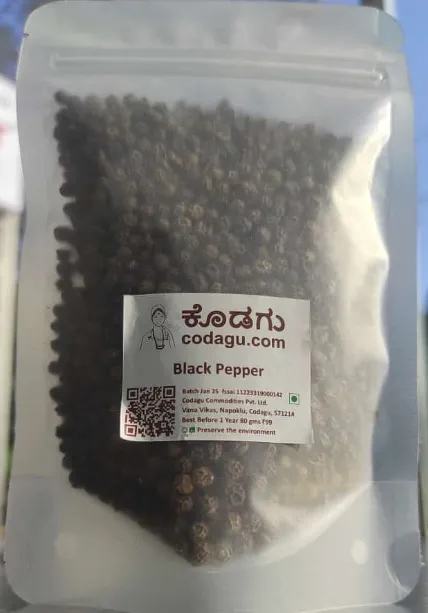
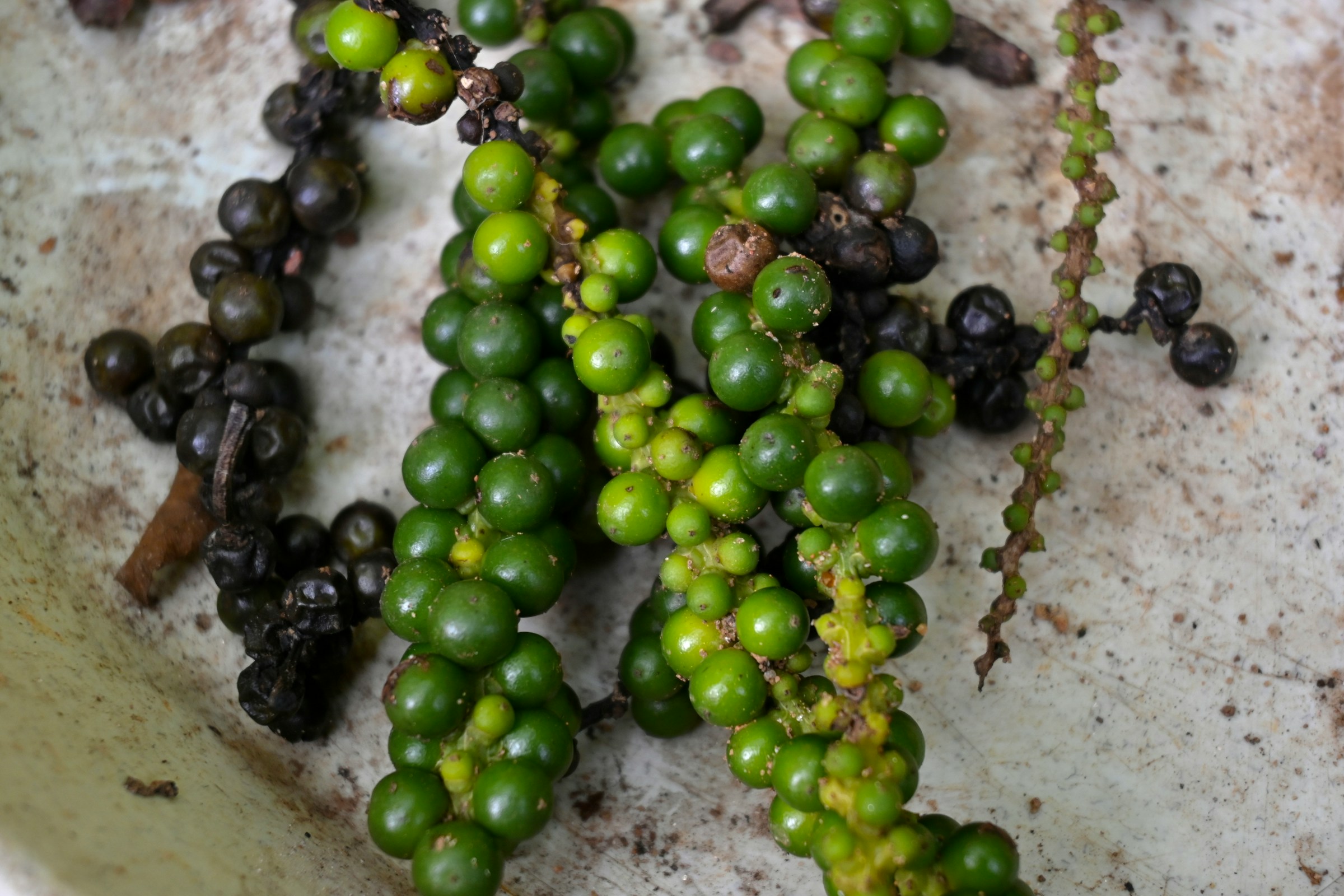
Pepper has earned the title of the "King of Spices" for its remarkable flavor, versatility, and global popularity. Cultivated primarily in tropical regions, pepper grows as a climbing vine and produces small berries that are harvested and processed into black, white, green, or red pepper. Its distinctive aroma and pungent taste have made it an essential ingredient in cuisines around the world, enhancing everything from soups and salads to meat, seafood, and vegetable dishes.
Beyond its culinary appeal, pepper is valued for its rich nutritional profile and natural compounds. It contains piperine, an active component that contributes to its characteristic spiciness and is known for supporting digestion and improving the absorption of certain nutrients. Pepper also contains antioxidants that help protect the body from oxidative stress. For generations, it has been used in traditional wellness practices to promote digestive health, stimulate appetite, and add warmth to herbal preparations.
Pepper cultivation plays a significant role in the agricultural economy of many regions, especially in the Western Ghats of India. The vines are often grown alongside shade trees in mixed plantations, creating a sustainable farming system that supports biodiversity. Farmers carefully nurture the plants through proper pruning, irrigation, and pest management to ensure healthy growth and high-quality yields. The harvested peppercorns are then dried and graded before reaching domestic and international markets.
The enduring demand for pepper reflects its importance as both a household spice and a valuable agricultural commodity. Whether used to season everyday meals, create spice blends, or enhance gourmet recipes, pepper continues to be appreciated for its bold flavor and numerous applications. As consumers increasingly seek natural and sustainably produced ingredients, pepper remains a timeless spice that connects tradition, agriculture, and global cuisine.
.jfif)