From Waste to Worth: Sustainable Recycling Practices in Coffee Processing Facilities
Coffee processing is an essential step in transforming freshly harvested coffee cherries into the beans that consumers enjoy worldwide. However, this process generates significant amounts of waste, including coffee pulp, husks, wastewater, and other organic residues. If not managed properly, these by-products can contribute to environmental pollution and affect surrounding ecosystems. Implementing effective waste management strategies is therefore crucial for ensuring the sustainability of coffee processing operations.
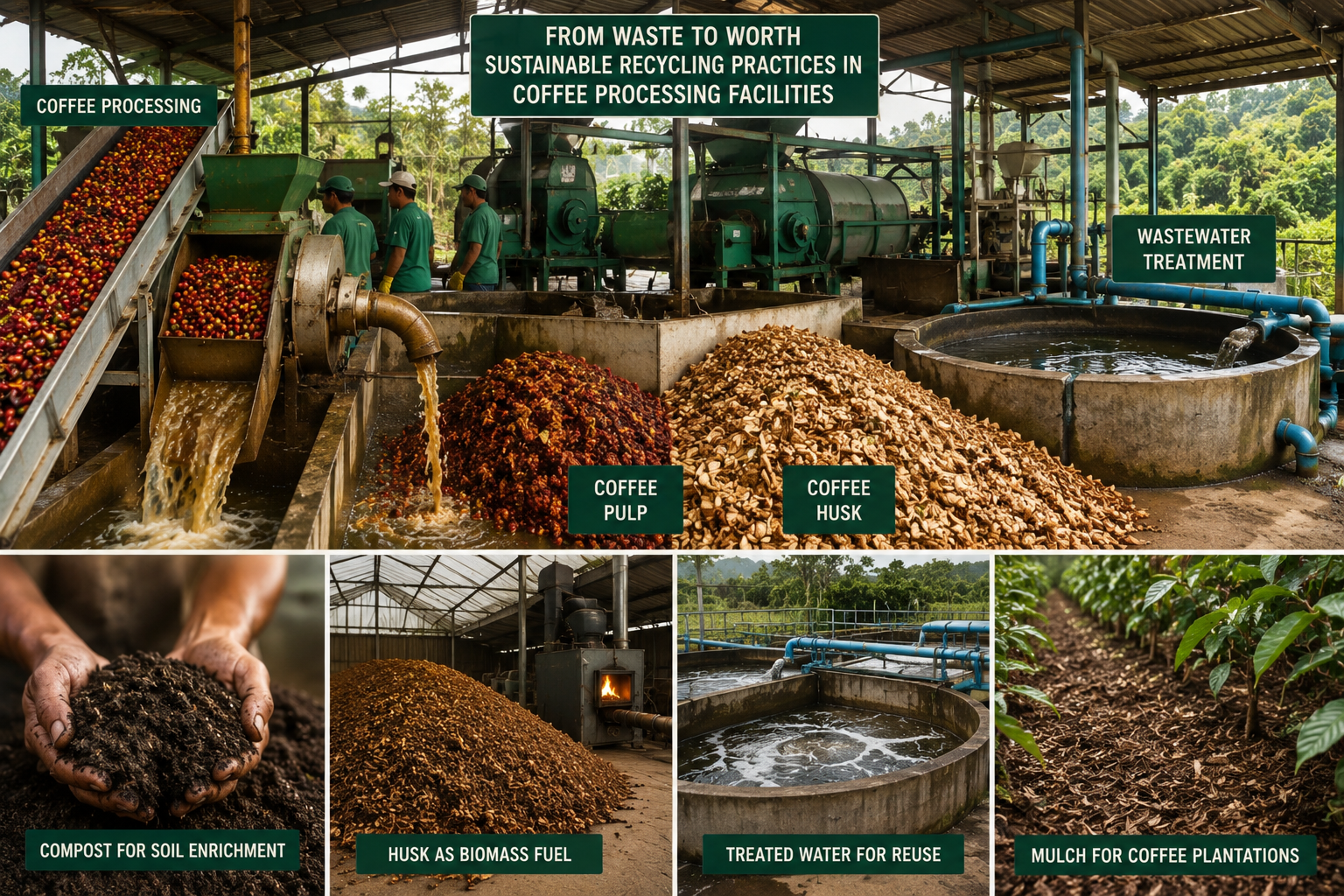
One of the most effective approaches to managing coffee waste is recycling organic by-products into valuable resources. Coffee pulp and husks can be converted into compost, which enriches soil fertility and reduces the need for chemical fertilizers. These organic materials can also be used as mulch in coffee plantations, helping retain soil moisture and suppress weed growth. By recycling agricultural waste within the production cycle, coffee processors can minimize environmental impact while improving farm productivity.
Wastewater generated during coffee processing requires special attention due to its high organic content. Modern processing units are increasingly adopting treatment systems that reduce pollutants before water is released into the environment. Treated water can often be reused for irrigation and other non-potable purposes, reducing overall water consumption. Such practices not only protect local water sources but also contribute to more efficient resource utilization.
In addition to organic waste recycling, some coffee processing facilities are exploring innovative uses for by-products. Coffee husks can be used as a renewable biomass fuel, providing an alternative energy source for drying and processing activities. Researchers and entrepreneurs are also developing products such as biodegradable packaging materials, animal feed supplements, and natural extracts from coffee waste. These initiatives create new economic opportunities while reducing the volume of waste sent to landfills.
As sustainability becomes a priority across the agricultural sector, waste management and recycling are playing an increasingly important role in coffee processing. By adopting environmentally responsible practices, processing units can reduce operational costs, conserve natural resources, and strengthen their commitment to sustainable production. Transforming waste into useful resources not only benefits the environment but also supports the long-term viability of the coffee industry.