Traditional Kodagu Rice Varieties and Their Agricultural Heritage
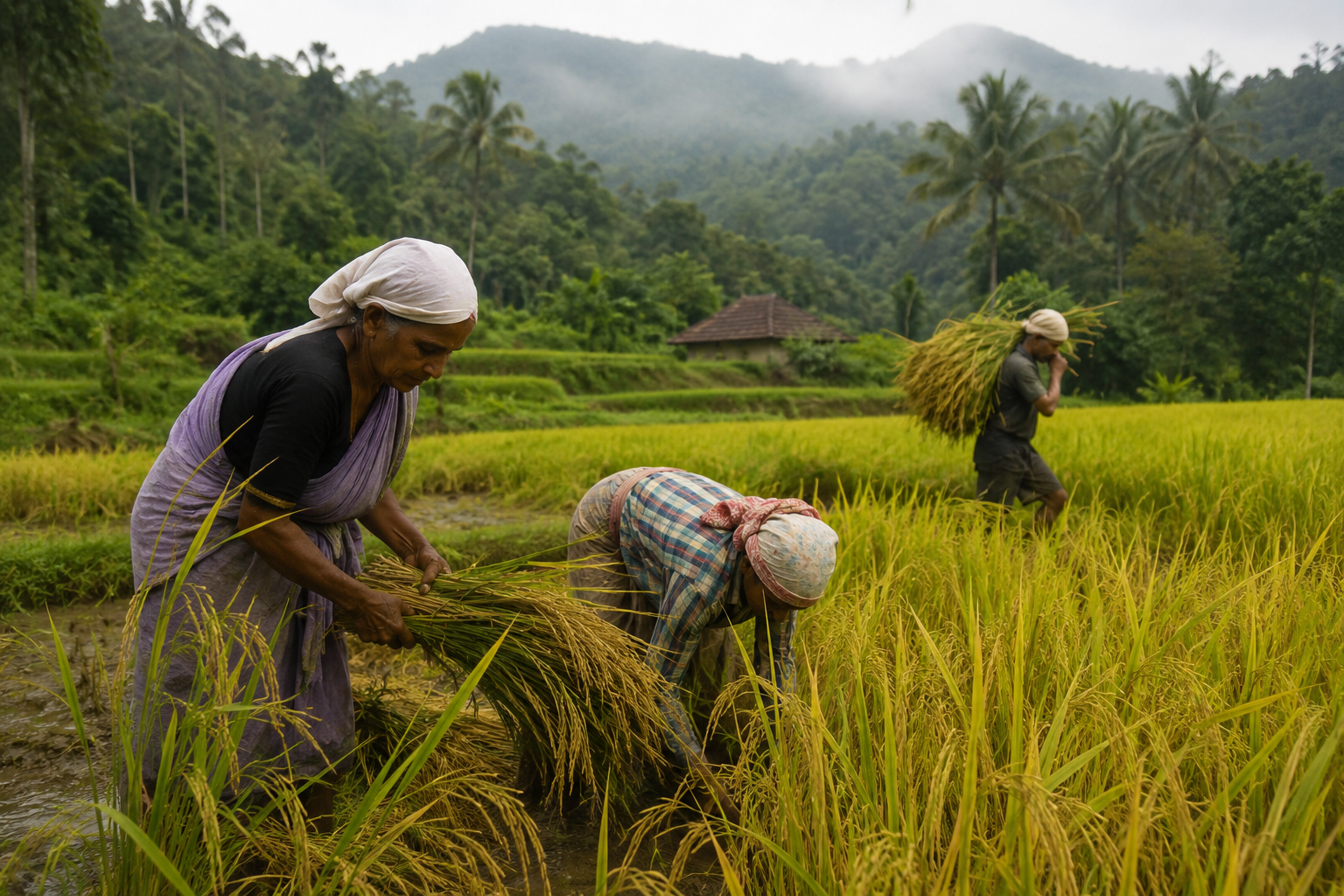
Kodagu, widely known for its lush landscapes and rich agricultural traditions, has a long history of cultivating rice as an important part of rural life. Traditional rice varieties were developed and preserved by farming communities according to the region’s unique rainfall, soil conditions, and local climate. These native varieties represent more than agricultural produce; they reflect generations of knowledge passed from one generation of farmers to another.
Many traditional rice varieties grown in Kodagu were selected for their ability to adapt to the region’s heavy monsoon conditions and diverse agricultural environments. Farmers relied on their understanding of local soils, water availability, and seasonal patterns to determine which varieties were suitable for different fields. This traditional knowledge helped communities maintain resilient farming practices while producing rice for household consumption and local use.
Traditional rice cultivation was also closely connected with Kodagu’s cultural and social heritage. Paddy fields formed an important part of village landscapes, while agricultural activities brought families and communities together during sowing and harvesting seasons. Rice was used in everyday meals as well as in several traditional customs and celebrations, making its cultivation an important element of the region’s cultural identity.
Today, changes in farming practices, market preferences, labour availability, and land use have created challenges for many traditional rice varieties. Preserving these varieties can help protect agricultural biodiversity while keeping valuable indigenous farming knowledge alive. Encouraging farmers to conserve native seeds, documenting traditional cultivation methods, and creating awareness about the importance of local rice varieties can contribute to their long-term survival.
The heritage of Kodagu’s traditional rice varieties is ultimately a story of adaptation, knowledge, and community stewardship. Protecting these agricultural traditions can strengthen the connection between future generations and the land that sustained their ancestors. By valuing native rice varieties alongside modern agricultural practices, Kodagu can continue to preserve an important part of its rural heritage while supporting a more diverse and resilient agricultural future.

.jpeg)