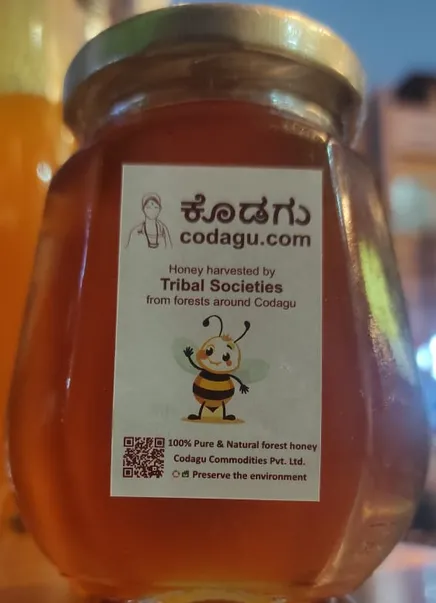
Kodagu Honey: A Taste of the Western Ghats
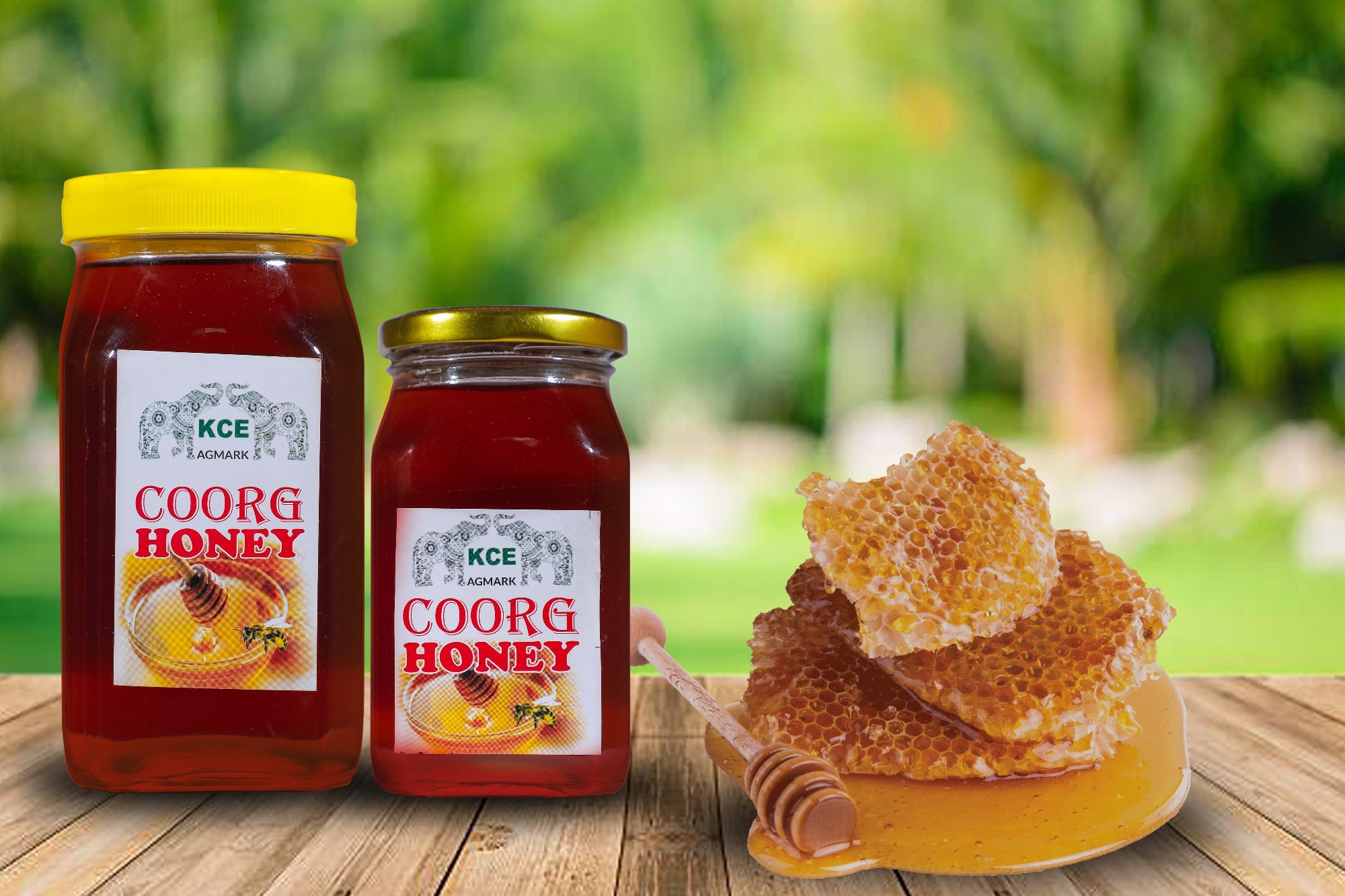
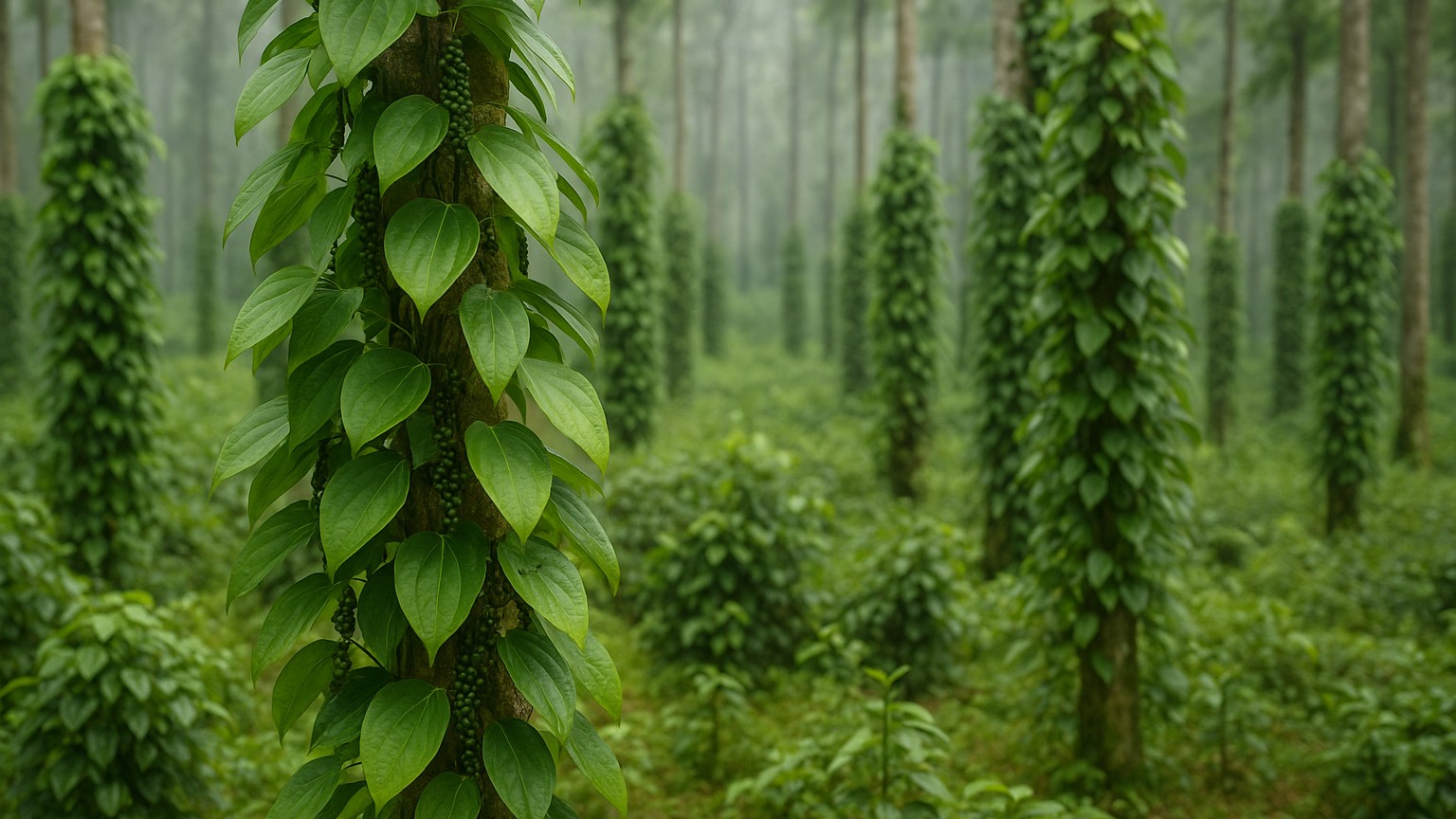
Kodagu, known for its lush green landscapes, coffee plantations, and rich biodiversity, is also home to naturally produced honey collected by bees from a variety of forest flowers and plantation crops. Kodagu honey is valued for its distinctive taste, aroma, and natural sweetness, which are influenced by the diverse flowering plants found across the region.
The forests and plantations of Kodagu provide an ideal environment for honeybees, with flowering plants available across different seasons. Bees collect nectar from wildflowers, coffee blossoms, and other vegetation, giving the honey its unique characteristics. Traditional beekeeping and honey collection practices have also contributed to the connection between honey and the rural lifestyle of Kodagu.
Beyond its taste, honey has long been appreciated as a natural food and is commonly used in households as a sweetener and as part of traditional food practices. Locally produced honey can also provide an additional source of income for farmers and rural communities when it is collected responsibly and processed hygienically.
Kodagu honey also reflects the importance of protecting the region's forests and biodiversity. Healthy forests and diverse flowering plants are essential for sustaining bee populations, while bees play an important role in pollination. Supporting responsible beekeeping and protecting natural habitats can therefore benefit both local livelihoods and the environment.
With its natural origin, distinctive flavour, and connection to the biodiversity of the Western Ghats, Kodagu honey represents more than just a sweet food product. It is a small reflection of the region's rich natural heritage and the traditional relationship between its communities, forests, and agricultural landscapes.