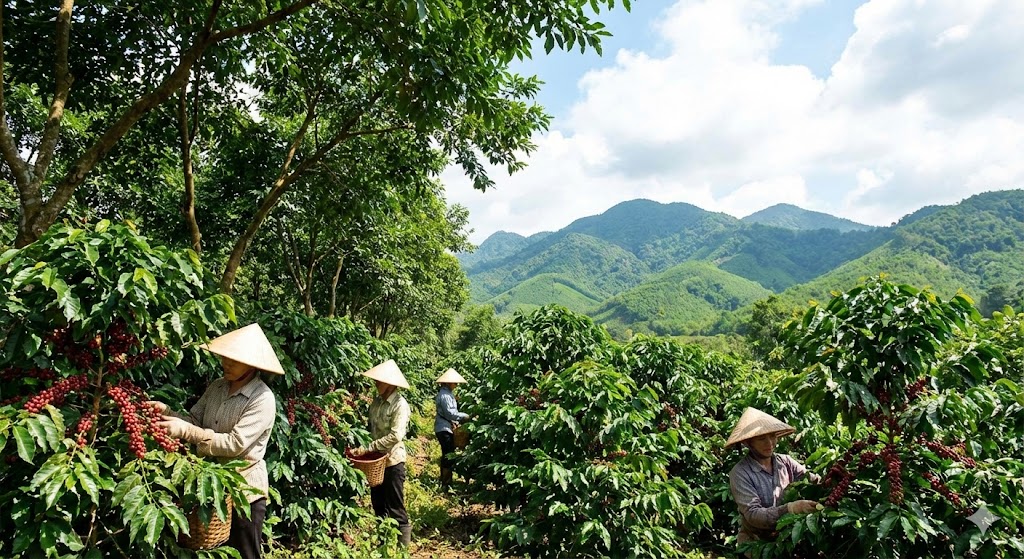
Brewing Balance: How Coffee Farming Choices Shape the Environment
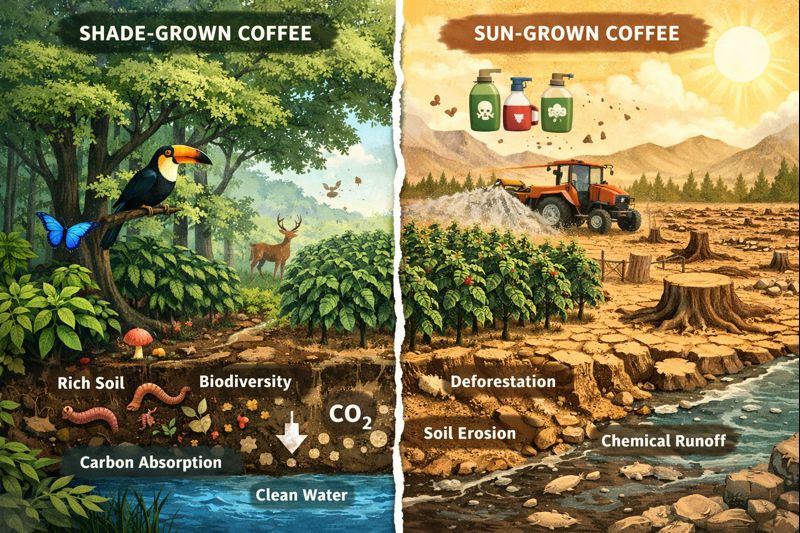
Coffee cultivation has a direct and often underestimated impact on the environment, particularly depending on whether it is grown under shade-grown or sun-grown methods. Shade-grown coffee is cultivated beneath a natural canopy of trees, closely mimicking forest ecosystems, whereas sun-grown coffee is grown in open fields after clearing tree cover to maximize short-term yield. Understanding the environmental consequences of these two approaches is essential as global demand for coffee continues to rise alongside concerns about climate change and biodiversity loss.
Shade-grown coffee plays a crucial role in preserving biodiversity. The presence of diverse tree species provides habitat for birds, insects, and small mammals, helping maintain balanced ecosystems. These trees also improve soil quality by preventing erosion, enhancing nutrient cycling, and retaining moisture. Additionally, shade canopies act as natural carbon sinks, absorbing carbon dioxide and contributing to climate change mitigation. As a result, shade-grown coffee farms often support healthier, more resilient landscapes compared to intensive farming systems.
In contrast, sun-grown coffee prioritizes higher yields through monoculture practices and heavy use of chemical fertilizers and pesticides. While this method can increase short-term production, it often leads to long-term environmental degradation. Deforestation to create sun-grown plantations reduces wildlife habitats and accelerates soil erosion. Increased chemical runoff can pollute nearby water sources, harming aquatic life and local communities. Over time, soil fertility declines, making farms more vulnerable to pests, diseases, and climate variability.
From a sustainability perspective, shade-grown coffee represents a more environmentally responsible approach to coffee farming. Although yields may be lower, the long-term ecological benefits—such as biodiversity conservation, improved soil health, and reduced reliance on chemicals—far outweigh the drawbacks. As consumers become more environmentally conscious, supporting shade-grown coffee can encourage farming practices that protect ecosystems while ensuring the future of coffee production.
Ultimately, the choice between shade-grown and sun-grown coffee is not just an agricultural decision but an environmental one. By understanding how cultivation methods impact ecosystems, both producers and consumers can contribute to a more sustainable coffee industry that balances economic needs with environmental stewardship.