Sealed for Flavor: The Impact of Packaging on Coffee Freshness and Taste
.jpg)
Coffee freshness begins to decline the moment beans are roasted, making packaging a critical factor in preserving both flavor and aroma. Exposure to air, moisture, light, and heat can quickly degrade coffee quality, leading to a loss of its rich characteristics. Proper packaging acts as a protective barrier, slowing down the oxidation process and helping maintain the beans’ original profile for a longer period.
One of the most effective packaging solutions used in the coffee industry is the use of airtight bags with one-way valves. These valves allow carbon dioxide, naturally released after roasting, to escape without letting oxygen enter the package. This balance helps keep the coffee fresh while preventing the buildup of gases that could affect the taste. Vacuum-sealed and nitrogen-flushed packaging methods are also widely used to extend shelf life and preserve flavor integrity.
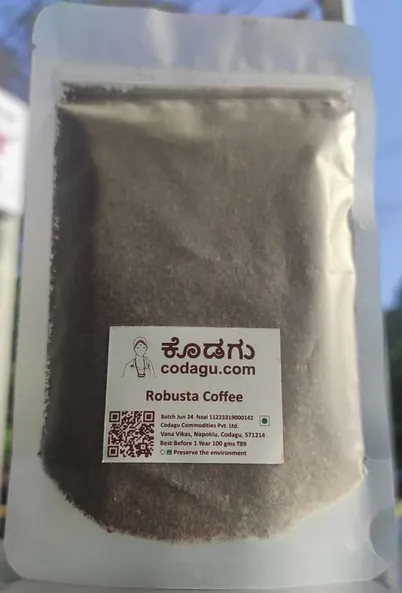
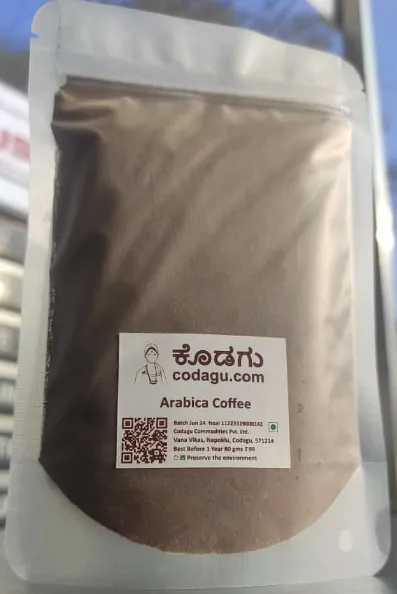
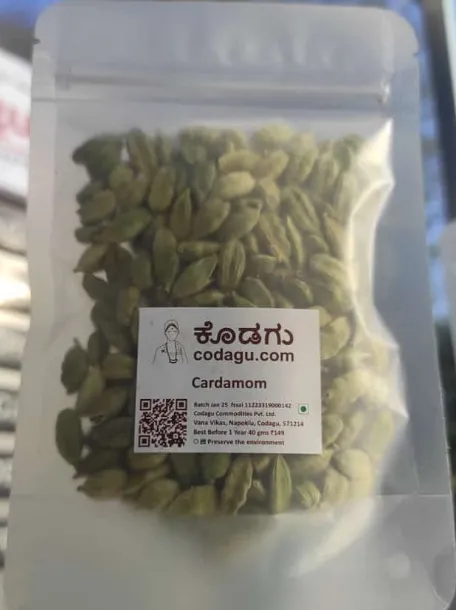
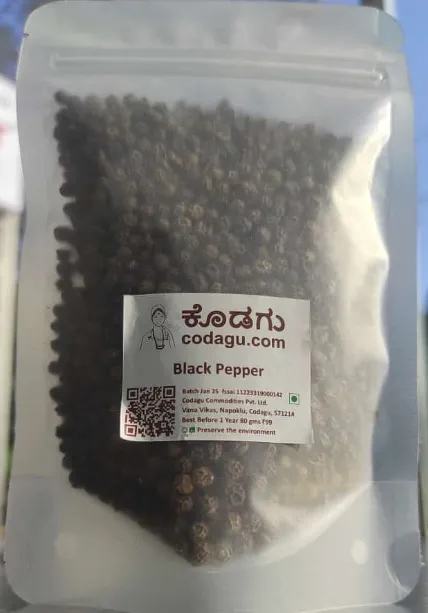
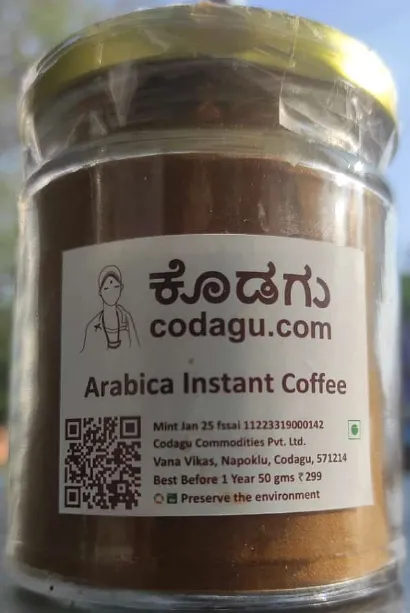
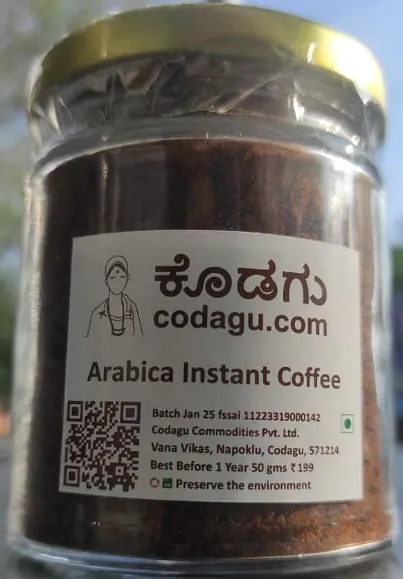
The material of the packaging also plays a significant role in protecting coffee quality. Multi-layered foil bags are often preferred because they provide a strong barrier against light and moisture, both of which can negatively impact flavor. In contrast, transparent or poorly sealed containers may expose coffee to environmental elements, resulting in stale or flat-tasting brews. Choosing the right packaging ensures that the coffee retains its intended aroma and taste until it reaches the consumer.
Ultimately, understanding how packaging affects coffee freshness allows consumers to make better purchasing decisions. Opting for well-sealed, high-quality packaging and storing coffee properly at home can significantly enhance the overall experience. By paying attention to how coffee is packaged and handled, it becomes easier to enjoy a cup that truly reflects the richness and complexity intended by the roaster.