Where Coffee Meets the Forest: The Sustainable Future of Kodagu Plantations
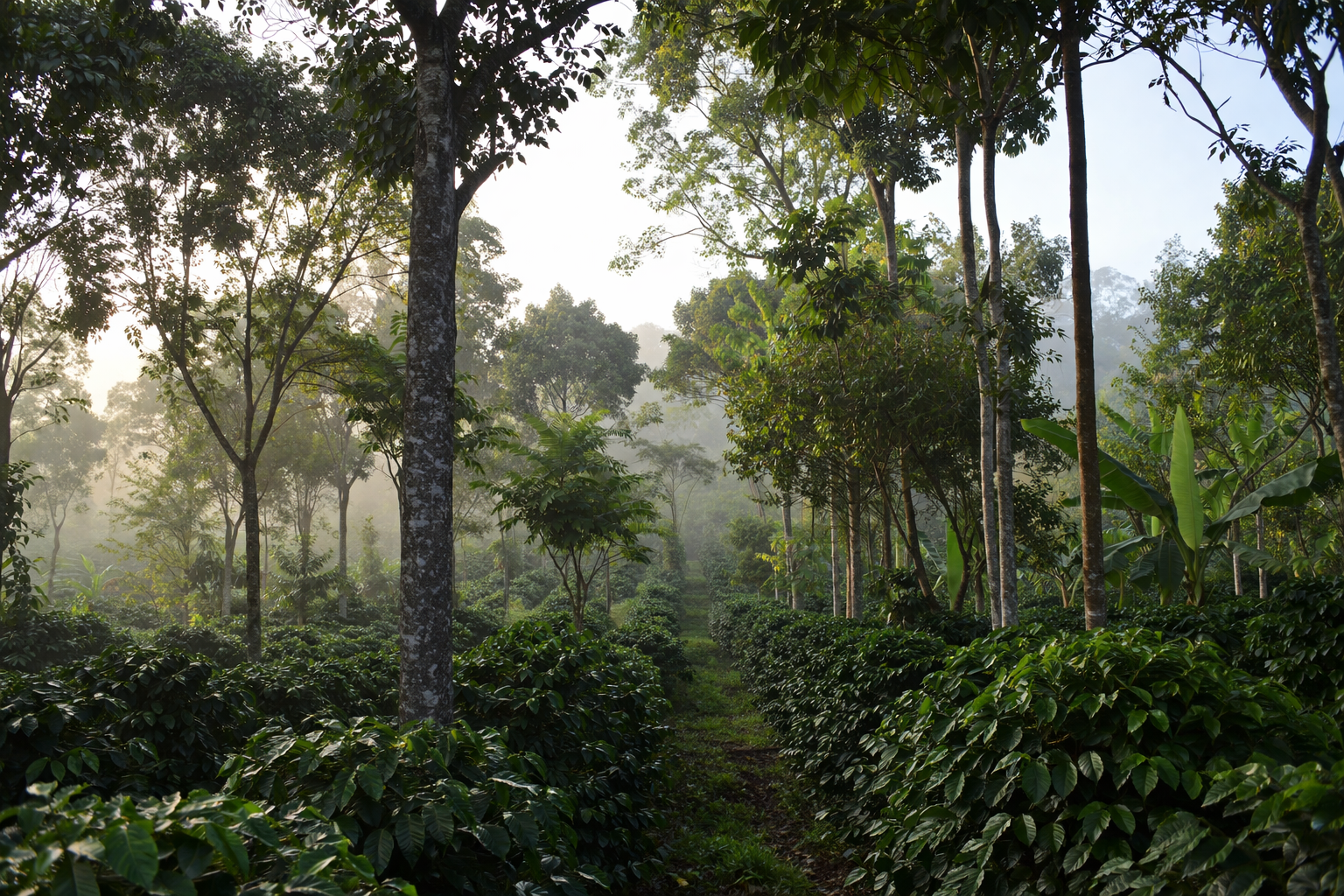
Agroforestry has long been an intrinsic part of coffee cultivation in Kodagu, blending agriculture with forest ecology in a way that supports both productivity and sustainability. Unlike monoculture farming, coffee plantations in this region are traditionally grown under the canopy of diverse native trees. This layered vegetation structure not only protects coffee plants from harsh sunlight but also creates a microclimate that enhances the quality and flavor of the beans. The integration of trees, crops, and sometimes livestock forms a balanced ecosystem that mirrors natural forest conditions.
One of the key advantages of agroforestry models in Kodagu is biodiversity conservation. Shade trees such as silver oak, jackfruit, and native species provide habitat for birds, insects, and small animals, contributing to ecological stability. These natural interactions help in pest control and pollination, reducing the need for chemical inputs. As a result, farmers benefit from healthier crops while maintaining environmental integrity. This biodiversity also plays a role in preserving soil fertility through organic matter decomposition and nutrient cycling.
Agroforestry systems also contribute significantly to soil and water conservation. The presence of deep-rooted trees prevents soil erosion, especially during heavy monsoon rains, which are common in Kodagu. Leaf litter from shade trees acts as a natural mulch, retaining soil moisture and improving its structure over time. Additionally, these systems enhance groundwater recharge and reduce surface runoff, ensuring a more sustainable water supply for plantations even during dry periods.
Economically, agroforestry provides multiple income streams for farmers. In addition to coffee, they can harvest timber, fruits, spices, and medicinal plants from the same land. This diversification reduces financial risk and increases resilience against market fluctuations in coffee prices. It also encourages long-term land stewardship, as farmers are more likely to invest in practices that sustain productivity over generations.
In recent years, agroforestry in Kodagu has gained recognition as a model for climate-resilient agriculture. By sequestering carbon and reducing dependency on synthetic inputs, these systems align with global sustainability goals. As climate change continues to impact traditional farming practices, the agroforestry approach offers a viable path forward, combining ecological wisdom with economic viability to ensure the future of coffee cultivation in the region.

 (1).jpeg)