Growing Diversity: How Agroforestry Is Shaping the Future of Coffee Tourism
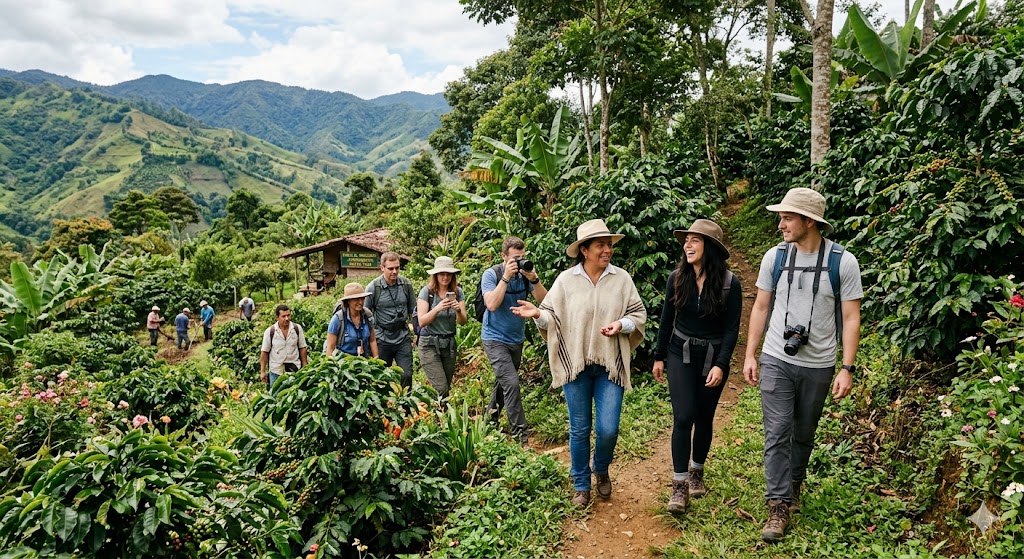
Coffee tourism is evolving beyond plantation visits and coffee tasting experiences, with agroforestry emerging as a key attraction for travelers seeking sustainable and educational journeys. Agroforestry models that combine coffee plants with fruit trees and spices create vibrant ecosystems that showcase the harmony between agriculture and nature. In regions like Kodagu, these diversified plantations offer visitors a unique opportunity to explore landscapes where coffee grows alongside crops such as pepper, cardamom, oranges, and avocados, creating a rich and immersive travel experience.
One of the greatest benefits of agroforestry-based coffee tourism is the opportunity for visitors to witness sustainable farming practices firsthand. Unlike monoculture plantations, these farms support biodiversity, improve soil health, and provide natural shade for coffee plants. Guided walks through multi-crop estates allow travelers to learn about the relationships between different plant species and how farmers use traditional knowledge and modern techniques to maintain ecological balance while enhancing productivity.
The combination of coffee, fruit trees, and spices also enriches the sensory appeal of plantation experiences. Visitors can enjoy the aroma of coffee blossoms, observe pepper vines climbing shade trees, and discover seasonal fruits growing throughout the estate. This diversity creates a more engaging environment compared to conventional plantations, encouraging travelers to spend more time exploring, learning, and connecting with the agricultural heritage of the region.
As demand for responsible travel continues to grow, agroforestry-based coffee tourism offers a model that benefits both visitors and local communities. Farmers gain additional income through tourism and diversified crops, while travelers gain a deeper appreciation for sustainable agriculture and rural livelihoods. By integrating environmental stewardship with authentic visitor experiences, agroforestry is helping shape a future where coffee tourism becomes both economically rewarding and environmentally responsible.